
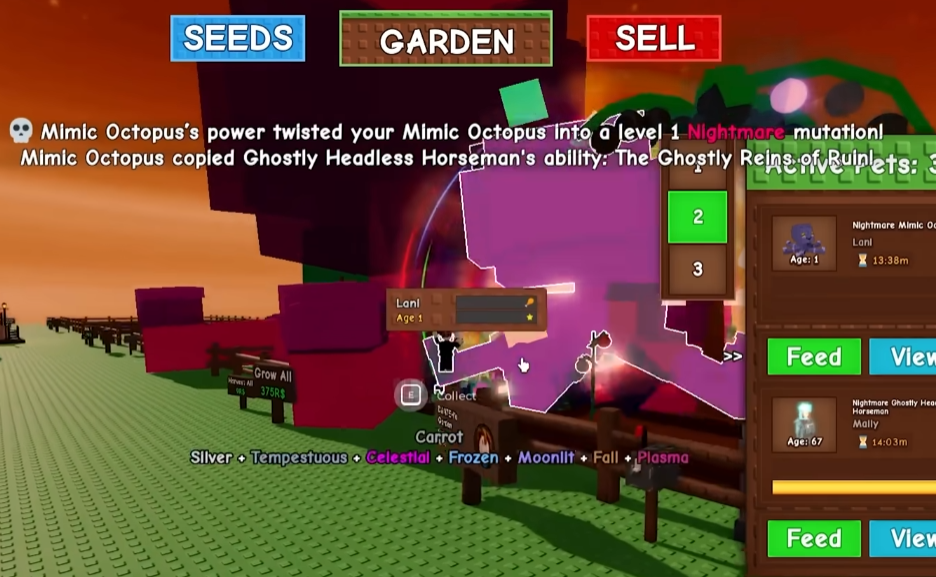
If you’ve spent any time in Grow A Garden, you know how important a smart layout can be. A garden that reacts quickly to tasks—watering, harvesting, or caring for pets—can save you tons of time and help you level up faster. In this post, I’ll share some tips on designing layouts that respond efficiently without making your garden feel cramped or chaotic.
Start with a Clear Plan
Before placing anything in your garden, take a moment to plan. Think about the flow of your daily tasks. Where do you water plants? Where do pets spend most of their time? I usually sketch a rough map in my head or on paper to avoid constant rearranging. This step alone can make your layout feel much faster and more intuitive.
One thing I’ve noticed is that grouping similar items together helps a lot. For example, keeping your seed beds in one corner and your decorative items in another reduces unnecessary running back and forth. And if you’re looking to expand quickly, some players choose to buy grow a garden pets early on. It might sound like an extra step, but having extra helpers in the garden speeds up many daily routines.
Optimize Pathways for Quick Movement
The second major factor in creating a fast-response layout is your pathways. You don’t want long, winding paths that slow you down. Instead, focus on straight routes that connect key areas like the watering station, harvest zones, and pet areas. I usually leave just enough space for my character to pass comfortably without blocking anything important.
A small tip: avoid placing decorative items in the main walking paths. They look cute, but they can make daily tasks slower. If you love customizing, consider placing decorations along the edges so your garden feels lively but remains functional.
Position Interactive Items Strategically
Interactive items like fountains, feeding stations, and growth boosters are where layouts can really shine. Place them where you’ll access them most often. For example, I always keep feeding stations close to my pet enclosures. That way, I spend less time clicking across the map and more time enjoying the game.
Speaking of pets, grow a garden pets buy decisions are crucial when you’re planning your layout. Some pets have abilities that interact with certain objects, so placing those items in convenient spots can make your garden much more efficient. I sometimes use U4GM for tips on which pets are worth investing in, which helps me plan my layout without guesswork.
Think Vertically When You Can
While Grow A Garden doesn’t have complex 3D building like some other Roblox titles, there’s still room to think vertically. Stack planters or arrange taller plants in the back so shorter ones don’t get blocked. This not only looks better but also lets you see everything at a glance, which makes responding to events faster.
Test and Adjust Regularly
No layout is perfect on the first try. I like to spend a day or two testing my design, then adjust paths, item positions, or pet placements based on what slows me down. Small tweaks like moving a bench one tile over can make a surprisingly big difference in how quickly I can complete tasks.
Use Shortcuts and Quick Access Tricks
Finally, take advantage of any in-game shortcuts or quick access options. For example, certain tools can be equipped in advance so you don’t have to open menus constantly. I also recommend checking out forums or community guides for little-known layout tricks. Roblox communities are great for sharing these insights, and you’ll often find creative solutions that make your garden feel even more responsive.
Add Personality Without Slowing Down
A common mistake is overloading the garden with decorative items. While it’s tempting to make everything look perfect, too many decorations can disrupt your flow. I usually save decorations for areas that aren’t part of the main task loop. This way, my garden still looks lively without sacrificing speed or efficiency.
Advanced Tips: Grow A Garden Black Bunny Pet Value, Method, Mutations & Buy it for Sale